In February 2026, a tiny baby monkey has captured the hearts of millions across Japan and around the world. His name is Punch — a seven-month-old Japanese macaque living at Ichikawa Zoological and Botanical Garden in Chiba Prefecture, just east of Tokyo. Abandoned by his mother shortly after birth, Punch clings to a stuffed orangutan toy from IKEA as his surrogate mother, bravely navigating the harsh social hierarchy of the monkey troop. His story has gone viral on social media, drawn coverage from international press outlets, and turned a small local zoo into a must-visit destination. Here is everything you need to know about Punch-kun and why he has become a global sensation.
Table of Contents
- 1. Punch’s Profile at a Glance
- 2. Why Has Punch Gone Viral?
- 3. Punch’s Life Story — From Abandonment to the Troop
- 4. Otome: A Success Story That Gives Hope
- 5. Where to See Punch — Visiting Ichikawa Zoo
- 6. Important Notices from the Zoo
- 7. [NEW] Official Weekend Guidelines (Feb 28 – Mar 1)
- 8. Fun Episodes Surrounding Punch
- 9. Summary
What Is a Japanese Macaque?
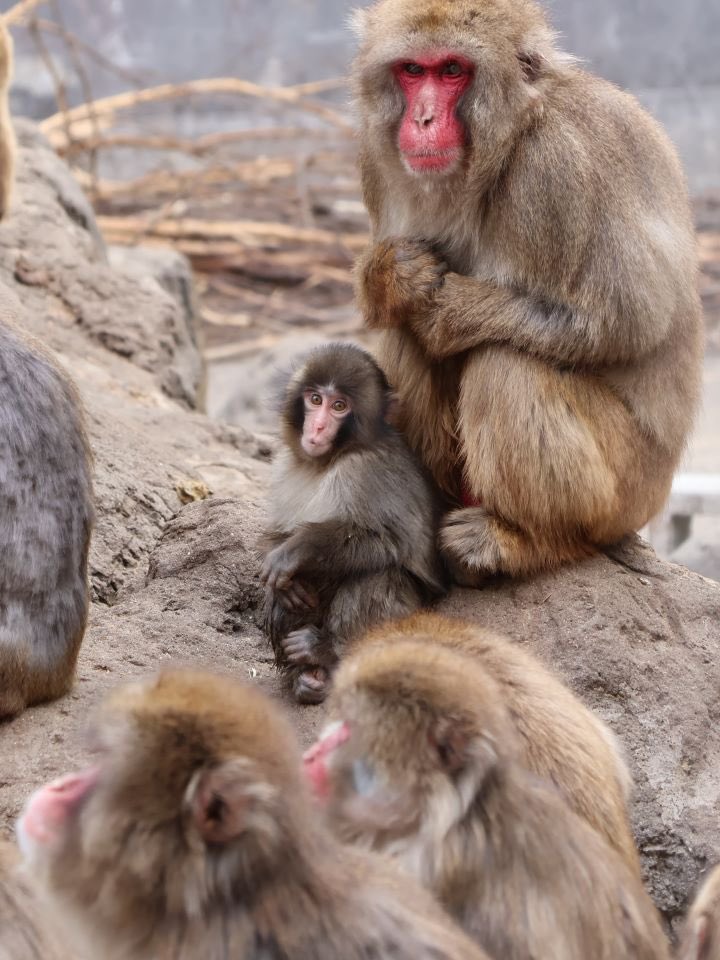
Japanese macaques (Macaca fuscata), often called “snow monkeys,” are the northernmost-living non-human primates in the world. They are native to Japan and are famous internationally for bathing in hot springs during winter. They live in complex social groups with strict hierarchies, and babies rely heavily on clinging to their mothers for warmth, security, and muscle development in the first months of life. This social structure is key to understanding Punch’s story.
Punch’s Profile at a Glance
Why Has Punch Gone Viral?
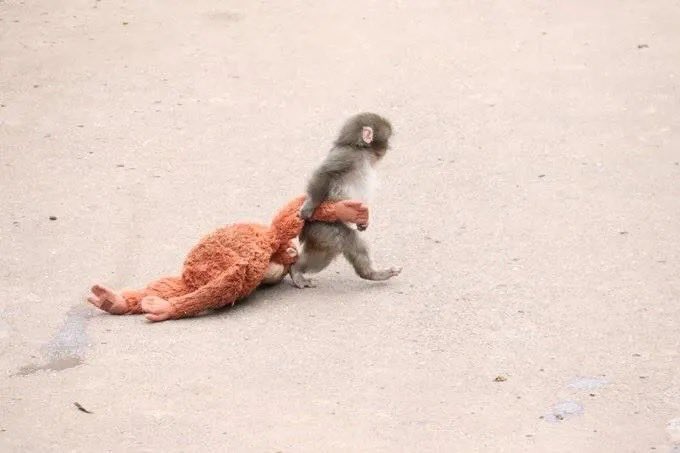
The single most compelling reason for Punch’s fame is the image of a tiny, vulnerable baby monkey carrying a stuffed orangutan toy nearly as big as himself through a troop of wild macaques, using it as his only source of comfort in place of the mother he never had.
In the wild and in captivity, baby macaques survive by clinging tightly to their mother’s fur. This physical bond provides warmth, security, and essential muscle training. Punch was denied this when his mother abandoned him. Instead, the zookeepers gave him an IKEA stuffed orangutan, which became his surrogate “mama.” Videos and photos of Punch dragging the plush toy around the saru-yama (a traditional open-air monkey enclosure found at many Japanese zoos), running back to hug it whenever he felt scared, and sleeping curled up beside it spread rapidly on X (formerly Twitter) and YouTube.
The hashtag #GanbarePunch (meaning “Hang in there, Punch!”) exploded across Japanese social media. Major TV networks picked up the story, and international outlets including U.S. newspapers soon followed. During one holiday weekend in February 2026, over 6,000 visitors per day crowded into the zoo — an unprecedented number in its 40-year history — forcing the zoo to implement entry restrictions.
Punch’s Life Story — From Abandonment to the Troop
Birth and Maternal Abandonment
Punch was born on July 26, 2025, weighing just 500 grams. It was his mother’s first birth, and she was already exhausted from the extreme summer heat in Japan (temperatures regularly exceed 35°C / 95°F during July). She showed no interest in nursing or caring for her newborn.
Zookeepers initially waited one day, hoping either the mother would come around or another female in the troop might adopt the infant — a behavior that occasionally occurs in macaque groups. When neither happened, two dedicated keepers began hand-rearing Punch the very next day. This involved arriving at the zoo early each morning for bottle-feeding, working their regular shifts during the day, and staying late for evening feedings.
Cultural Note: Maternal abandonment is not extremely rare among captive macaques, especially with first-time mothers. Japanese zoos have developed expertise in hand-rearing infant primates, but the goal is always to reintroduce them into the social group as soon as possible, since macaques depend on group living to develop proper social skills.
The IKEA Orangutan — A Surrogate Mother
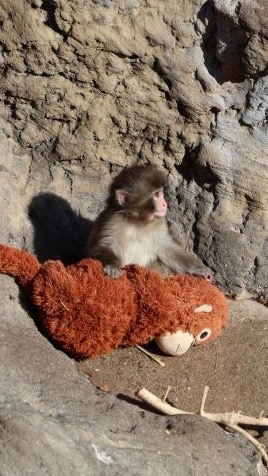
Baby macaques are born with a strong grasping reflex; they instinctively cling to fur for survival. Without a mother, Punch still needed something to hold on to, both for emotional comfort and physical muscle development.
The keepers experimented with rolled-up towels and various stuffed animals. Punch rejected most of them, but he immediately took to an IKEA orangutan plush toy. Its long, fur-like fibers were easy for his small hands to grip, and its vaguely primate-like appearance may have provided a sense of familiarity. From that moment on, the stuffed orangutan — affectionately called “Oran-mama” by the keepers — became Punch’s constant companion. He slept beside it every night and clung to it whenever he felt anxious.
Joining the Troop
On January 19, 2026, at approximately six months old, Punch was officially introduced to the monkey troop living in the zoo’s saru-yama. The keepers had been gradually increasing his exposure to the sights, sounds, and smells of the group during the preceding months to prepare him.
The early days were tough. Other monkeys were cautious and sometimes aggressive toward the newcomer. When startled or scolded by adults, Punch would sprint back to his stuffed orangutan and cling to it tightly — a scene that visitors captured on video and shared widely online. It was this exact combination of vulnerability and determination that resonated so powerfully with audiences.
As of late February 2026, Punch is making steady progress. He has been observed grooming alongside adult monkeys, attempting to play with other juveniles, and even venturing away from his plush toy for extended periods. Recent visitors have reported that Punch now spends much of his time actively exploring the enclosure, only returning to his stuffed companion when he needs reassurance.


Otome: A Success Story That Gives Hope
Punch is not the first monkey at Ichikawa Zoo to walk this path. A female macaque named Otome was similarly abandoned in 2008 and hand-reared by keepers. At that time, Otome carried a Rilakkuma (a popular Japanese character — a cartoon bear) stuffed toy everywhere she went, and she too became a media sensation.
Otome eventually integrated fully into the troop, and she has since given birth and successfully raised her own offspring. Her story offers strong reason to believe that Punch, too, can grow into a well-adjusted member of the group.
Where to See Punch — Visiting Ichikawa Zoo
How to Get There from Central Tokyo
By Train: Take the Hokuso Line to Omachi Station, then walk (approx. 25–30 minutes) or take a short taxi ride. From central Tokyo, the journey takes roughly 60–90 minutes depending on your starting point.
By Bus: From JR Motoyawata Station, take the Keisei Bus bound for the zoo (direct service on weekends and holidays only). On weekdays, take a bus to Onomachi 4-chome and walk about 10 minutes.
By Car: Parking is available but extremely crowded due to Punch’s popularity. The zoo strongly recommends public transportation.
Important for International Visitors: The zoo’s website and signage are primarily in Japanese. Consider using a translation app on your phone. The zoo is a small, charming local facility — not a large-scale attraction — so set expectations accordingly. Staff are friendly and helpful even if communication is limited.
Important Notices from the Zoo
The “Dragging Video” — Official Explanation
In mid-February 2026, a video showing Punch being grabbed and dragged by an adult monkey went viral, sparking widespread concern. Many viewers worried it was bullying or abuse.
The zoo responded with an official statement on February 20, explaining that Punch had approached another juvenile to socialize, and the juvenile’s mother intervened to scold Punch — essentially telling him to leave her baby alone. This is normal disciplinary behavior within macaque troops. The zoo emphasized that no monkey was attempting to seriously harm Punch, and noted that he shows remarkable resilience, bouncing back quickly from such encounters.
“Rather than simply feeling sorry for him, we ask that you cheer on Punch’s efforts to learn and grow.”
— Ichikawa Zoo Keeper Team
Visitor Etiquette
To protect Punch and the other monkeys from stress, the zoo has established the following guidelines:
10-Minute Rule: Please limit your time at the front viewing area to about 10 minutes so that everyone gets a chance to see Punch.
Quiet Viewing: Avoid loud voices and sudden movements. If you are in the front row, please crouch down to minimize visual disturbance to the animals.
Weekday Visits Recommended: Weekends are extremely crowded. If possible, plan your visit for a weekday.
The zoo has praised visitors for maintaining excellent etiquette so far, which has allowed Punch to continue his socialization in a calm environment.
[Updated Feb 28] Official Weekend Guidelines (Feb 28 – Mar 1)
On February 27, 2026, the zoo’s official X account posted detailed visitor guidelines for the weekend of Feb 28 – Mar 1. If you are planning a visit, please read carefully before going.
Arrival & Entry Rules
Ichikawa Zoo is a very small zoo with limited parking. To ensure smooth entry for all visitors and to protect the quality of life of nearby residents, the zoo asks visitors to follow these rules:
Do NOT drive — use public transportation. Once the parking lot is full, vehicles will be turned away entirely.
Recommended route: Take the Hokuso Line to Omachi Station and enjoy a pleasant 30-minute walk through the adjoining Nature Observation Park to reach the zoo.
Bus service: Buses run from JR Motoyawata Station and Ichikawa-Ono Station on weekends and holidays.
Entry restrictions may be enforced depending on crowd levels.
Two-line queue system at the gate: When facing the gate, the left line is for cash payment, and the right line is for cashless/IC card payment and free admission. Annual pass holders should proceed directly to the right-side gate.
Annual pass sales are temporarily suspended on Saturdays and Sundays to reduce queue congestion.
Monkey Mountain Viewing Rules
The area around the monkey mountain (saru-yama) is expected to be extremely crowded on weekends. The zoo’s top priority is to minimize stress for Punch and all the other macaques. Please follow these rules:
1. No-entry zones: Parts of the viewing area will be cordoned off. Do not enter restricted zones.
2. Keep quiet: Please observe in silence.
3. No running: Do not run around the perimeter of the monkey mountain.
4. No tripods or step-stools: Selfie sticks, tripods, and step ladders are not permitted for photography.
5. Crouch & rotate: Those in the front row should crouch down. Please limit your viewing to about 10 minutes, then move to the back to let others see.
6. Staff patrols: Zoo staff will be stationed around the monkey mountain to assist visitors.
Real-time updates on road conditions and queue wait times are posted on the zoo’s official X account (@ichikawa_zoo). Be sure to check before heading out.
(Source: Ichikawa Zoo official X post, February 27, 2026 — “Requests from Punch’s Keepers: Arrival & Entry / Monkey Mountain Viewing”)
Fun Episodes Surrounding Punch
IKEA Donates New Plush Toys
Punch’s fame caused a real-world ripple effect: the same IKEA orangutan plush became a hot item across Japan, selling out in stores nationwide as fans wanted their own “Oran-mama.” In response, IKEA Japan visited the zoo on February 17 and donated 33 stuffed animals, including new orangutan plushies specifically for Punch. IKEA Japan’s CEO Petra Farre commented that she hoped the toys would bring warm moments to Punch and all the zoo’s visitors.
The Ichikawa vs. Ishikawa Mix-Up
As Punch’s story spread internationally, an amusing mix-up occurred. Many overseas fans confused “Ichikawa” (the city in Chiba where the zoo is located) with “Ishikawa” (a completely different prefecture on the opposite side of Japan). This led to a flood of inquiries about Punch being directed at Ishikawa Zoo in Ishikawa Prefecture, which has no connection to Punch whatsoever. It is a humorous testament to the international reach of this little monkey’s story — and a good reminder to double-check your geography before visiting!
Summary
Punch’s story is about far more than a cute animal video. It is a story of resilience — a baby monkey overcoming abandonment with the help of devoted caregivers and a stuffed toy standing in for the mother he lost. His daily struggle to fit in with the troop, armed with nothing but a plush orangutan and his own determination, has resonated deeply with people of all ages and nationalities.
With the success story of his predecessor Otome offering real reason for optimism, the future looks bright for Punch. He is learning the rules of monkey society one scolding at a time, and growing stronger every day.
Follow Punch’s journey on the zoo’s official X account: @ichikawa_zoo
If you visit in person, please respect the viewing rules and cheer Punch on quietly!
*Information in this article is current as of February 28, 2026. For the latest updates on zoo operations and visiting rules, please check the Ichikawa Zoo official website and official X account.
コメントを残す